I remember sitting in a windowless conference room about seven years ago, surrounded by half-eaten catering wraps and about four hundred neon-colored sticky notes. We were "strategizing." You know the vibe... everyone is fired up, the whiteboard looks like a beautiful mind went off the rails, and we all left feeling like we were about to change the world.
Then Monday happened.
The sticky notes stayed in the conference room. The "big ideas" got buried under 400 unread emails. And the team? Well, they went right back to doing exactly what they were doing before, feeling just as disconnected as they did on Friday.
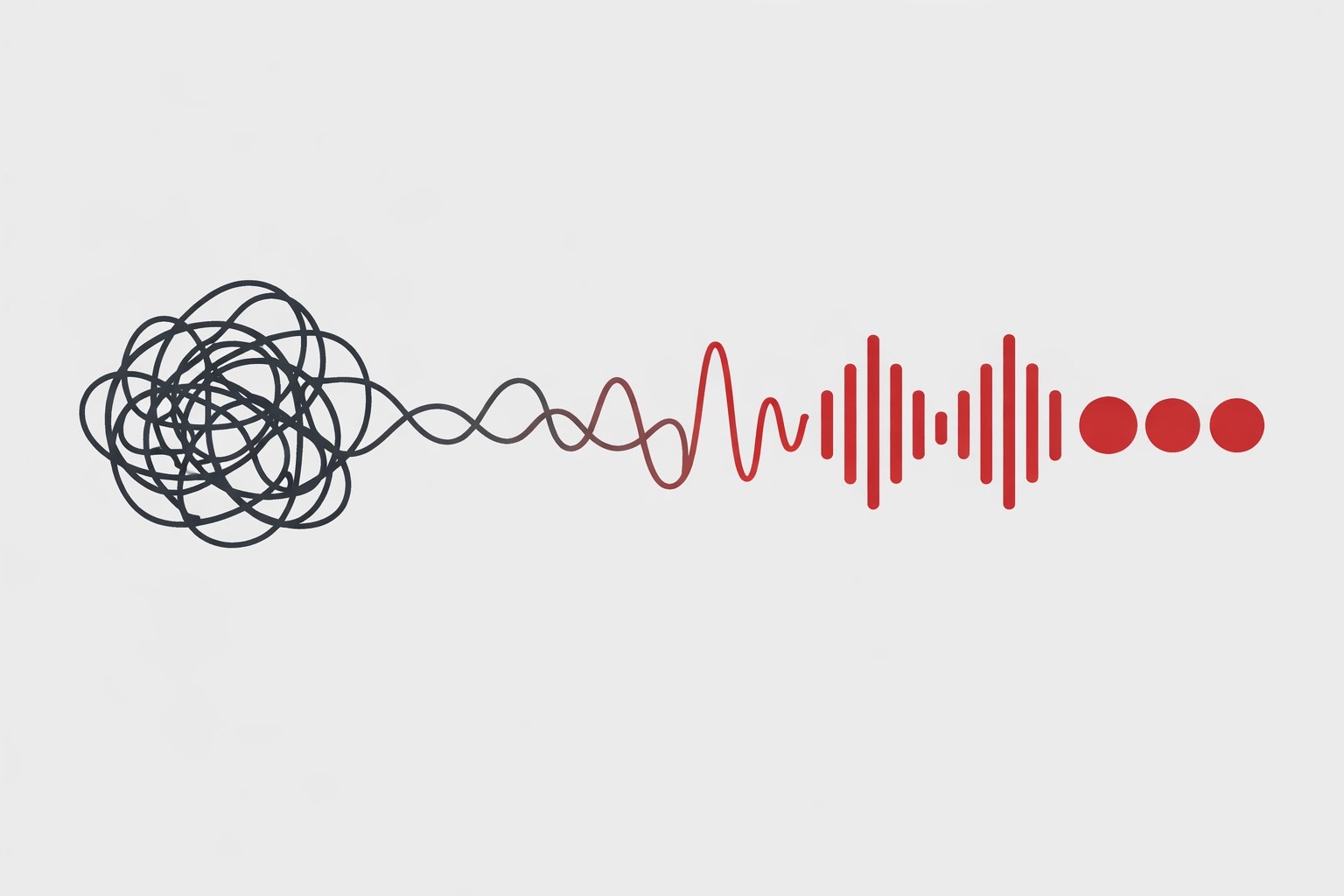
It’s a pattern I’ve seen more times than I care to admit... even in my own business. We think "engagement" is a big event or a fancy new software. But if I’m honest, most team engagement strategies fail because they’re treated like a one-time sparkler instead of a slow-burning hearth. They lack what I call an operational rhythm.
If you've ever felt like you're shouting into the void while your team just waits for the "latest management fad" to pass, you're not alone. I’ve been there, sitting in the back of a sedan after a failed project, wondering where I lost them. The secret isn't more strategy; it's more rhythm.
The Strategy-Execution Gap (Or: Why Your "Big Ideas" Are Gathering Dust)
We talk about strategy in boardrooms, but we live in the trenches.
The research is actually pretty startling. Only about 46% of teams within organizations feel like they’re collaborating effectively. Yikes! That means over half of us are basically running in different directions while wearing the same jersey.
When we create a strategy without an operational rhythm, we’re essentially building a car and forgetting the engine. An operating rhythm: that structured cadence of meetings, coaching, and feedback: is what bridges the gap. It embeds the strategy into the daily "boring" stuff.
I used to despise the "boring" stuff. I wanted the big wins, the major overhauls, the exciting rehabs (especially with Solved Homes!). But I’ve learned: often the hard way: that strategy is just a dream until it has a heartbeat.

The Magic of the 15-Minute Coaching Session
One of the biggest "secrets" to engagement isn't a massive annual review. (Does anyone actually like those? I certainly don't.) It’s the 15-minute weekly coaching conversation.
I know, I know... you’re busy. I’m busy. We’re all buried. But the data shows that teams receiving weekly coaching are 25% more engaged. That’s a huge jump for the price of a coffee break!
When we skip these rhythms, we lose the chance for real-time course correction. If you wait until the monthly review to tell someone they’re off track, you’ve already lost four weeks of productivity. That’s a lot of wasted energy.
In these 15 minutes, I’m not just checking off a to-do list. I’m asking:
- "What’s the biggest hurdle you hit this week?"
- "Where do you feel stuck?"
- "How does what you did today get us closer to our big goal?"
It’s about consistency and predictability. People thrive when they know when they’ll be heard. If I’m being vulnerable here, I’ve definitely been the boss who "winged it" for months, only to wonder why my team felt like they were on an island. It wasn't that they didn't care; it's that I hadn't given them a beat to dance to.
Daily Huddles: The Pulse of the Trench
If weekly coaching is the heart, the daily huddle is the pulse.
We’re talking 10 to 15 minutes max. Standing up. No laptops. Just a quick alignment. What are we doing? Where are the roadblocks? Who needs help?
In the world of operational consulting, I often see leaders resist this. They think it’s micromanaging. But actually? It’s the opposite. It gives people the clarity they need to work autonomously.
When a team understands the shared purpose every single morning, they don’t need you hovering over them the rest of the day. They have the rhythm. They can feel the beat. Companies with these structured feedback loops see a 12% increase in productivity. That’s not just a "feel good" metric... that’s real ROI.
Personalities and Rhythms: The DiSC Factor
Now, here’s where it gets tricky. Not everyone hears the rhythm the same way.
This is where DiSC assessments become a total game-changer. I’ve used these for years (and taught them for even longer) because they help you understand how to communicate within your rhythm.

If you have a high "D" (Dominance) on your team, your 15-minute coaching session needs to be punchy, results-oriented, and fast. If you try to spend 10 minutes talking about the "vibe" of the office, you've lost them.
On the flip side, your "S" (Steadiness) folks need that stability. They rely on the rhythm. If you cancel the daily huddle three days in a row because you're "too busy," you're actually creating deep anxiety for them. You're breaking the trust that the rhythm built.
I’ve made the mistake of treating everyone like they were a high "D" like me... just "go go go." It doesn't work. You have to tailor the rhythm to the people in the room. You can check out some of the mistakes I've made with DiSC to see exactly what not to do.
Why Your Strategy is Failing (And How to Fix It)
If your engagement strategies are falling flat, it’s likely because they’re disconnected from the reality of the work. You might have a great "vision," but do your front-line managers know how to translate that into a Tuesday afternoon?
Usually, the answer is no.
Strategic initiatives fail when they remain abstract. An operating rhythm makes them concrete. It’s the "wet cement" of your business: it’s where you can still make impressions and changes before everything sets in stone.
To fix it, you have to:
- Define the Cadence: Pick your times. Tuesday and Thursday at 9:00 AM? Every morning at 8:30? Stick to it.
- Focus on Feedback: Make it two-way. If you’re the only one talking, it’s a lecture, not a rhythm.
- Integrate Recognition: Don’t wait for the quarterly awards. Shout out the small wins during the huddle. It sustains momentum without needing a 2-hour meeting.
- Stay in the Trenches: Don't lead from an ivory tower. Get down into the operational details.

Moving From Chaos to Cadence
I’m still learning this, even after 30+ years in the game. Some weeks, the rhythm is perfect. Other weeks, it feels like we’re playing out of tune. And that’s okay.
The goal isn't perfection; it's consistency.
When you establish an operational rhythm, you're telling your team: "Your work matters enough for me to show up for it every single day." That, more than any pizza party or "culture" poster, is what drives real engagement. It builds trust. It builds alignment. It builds a business that can actually scale without you losing your mind.
If you're looking for HR consulting for small business or just need someone to help you figure out why your team feels out of sync, let's chat. I've spent a lot of time figuring out how to get the "beat" back into businesses, and I'd love to help you find yours.
So, have you ever felt like your team was drifting despite your best efforts? Or maybe you've tried daily huddles and they flopped? I’d love to hear your "in the trenches" stories. We’re all fellow travelers here, just trying to make the work a little bit better for everyone involved.
Drop me a line or check out more of our team engagement secrets to keep the conversation going. Let's get to work... in rhythm.