


I remember sitting in a cramped, windowless office about twelve years ago, staring at a stack of resumes for a "Senior Operations Manager" role. On paper, these candidates were rock stars. They had the degrees, the fancy titles from Fortune 500 companies, and the polished LinkedIn profiles. I hired the "best" one: or so I thought.
Three months later, the project was a disaster.
It wasn't that the person wasn't smart. They were brilliant. But they didn't actually have the specific skill of navigating high-conflict, fast-paced team dynamics. They had the title, but not the toolkit. I realized then (and it was a painful, expensive realization) that I’d hired a label, not a capability. If I’m being honest, I felt like a bit of a failure as a leader. Yikes! I had fallen into the "Job Title Trap," and it’s a trap most of us are still walking into every single day.
Lately, there’s been a lot of noise about "Skills-Based Planning." You’ve probably seen the headlines. Some tech giant claims they’ve ditched degrees and now use a $100,000 AI software to map every skill in their 50,000-person workforce. And if you’re like me, your first thought is: That sounds great for them, but I’m just trying to get through my Tuesday.
Here’s the secret: You don’t need the six-figure software. You really don't. You can integrate skills-based planning into your HR strategy using nothing more than a spreadsheet, a few honest conversations, and a shift in how you look at your team.
The Shift from "What You Are" to "What You Can Do"
Most HR strategies are built on job descriptions that are, frankly, a bit of a mess. We copy-paste them from the internet, add some vague language about "being a team player," and call it a day. But a job title is a blunt instrument. "Marketing Director" means ten different things at ten different companies.
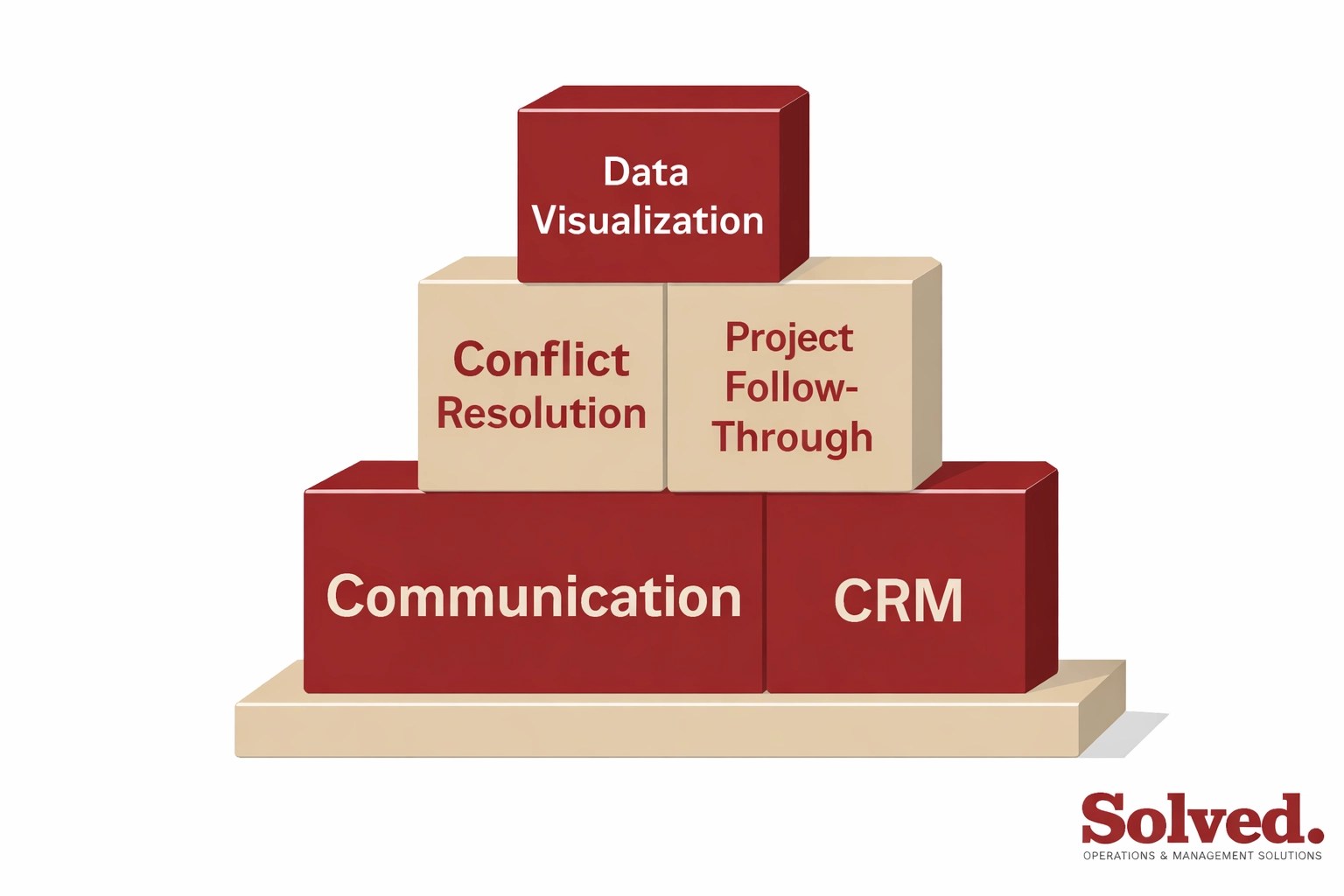
Skills-based planning is different. It’s about deconstructing the work. Instead of looking at a "role," we look at the specific capabilities required to achieve a business outcome. It’s a bit like taking a Lego castle apart to see which specific bricks you actually have in the box.
I’ve found that when we focus on skills, we stop hiring people who "look the part" and start hiring people who can actually "do the part." It also opens up a world of internal mobility. Maybe your receptionist has an incredible, untapped skill for data visualization? You’d never know if you only looked at their title.
Step 1: Create Your Own "Skills Language" (The Taxonomy)
The HR world loves big words like "Taxonomy." It sounds so... scientific. But in reality, it just means making a list of what matters to your business.
Don't go out and buy a pre-made list of 5,000 skills. Most of them won't apply to you anyway. Start small. Identify 3-5 business outcomes you’re chasing this year. Maybe it’s "Improving Client Retention" or "Reducing Project Lead Times."
Then, ask yourself: What specific skills do we need to make that happen?
- Is it "Technical Proficiency in CRM"?
- Is it "Empathetic Communication"?
- Is it "Strategic Conflict Resolution"?
(Speaking of communication, I’m a huge believer that understanding how people communicate is a foundational skill. If you haven't looked into DiSC assessments, it’s a great way to start identifying those "soft" skills that are actually quite hard to master.)

Keep your list simple. If you can't explain the skill to a ten-year-old, it’s probably too vague. Write down 20-30 core skills that actually drive your business. That’s your taxonomy. No AI required.
Step 2: The Manual Assessment (The "Honesty" Phase)
Once you have your list, you need to see where you stand. This is where it gets a little messy: and where you have to be willing to be a fellow traveler with your team rather than a judge.
I’ve made the mistake of sending out a cold survey asking people to "rate their skills from 1 to 10." It was a disaster. Everyone either rated themselves a 10 (because they were scared for their jobs) or a 2 (because they were humble).
Instead, try a multi-source approach:
- Self-Assessment: Ask them where they feel strongest and where they want to grow.
- Manager Review: Have a real, human conversation. "I noticed you handled that difficult client really well; I think your 'De-escalation' skill is top-tier."
- Peer Observation: Sometimes our colleagues see things we don't.
You’re looking for "behavioral anchors." Don't just say someone is "good at leadership." Say, "They are able to lead a team meeting where everyone participates and clear action items are set." See the difference? One is a vibe; the other is a skill you can measure.

Step 3: Redesigning Your Rhythms
Now that you have the data, you have to actually use it. Otherwise, it’s just another spreadsheet collecting digital dust.
If you’ve read my previous thoughts on operational rhythms, you know I’m obsessed with consistency. You need to bake skills into your existing processes:
- Performance Reviews: Stop talking about generic "goals" and start talking about "skill gaps." If someone wants a promotion, show them the 3 specific skills they need to develop to get there. It makes the conversation much less personal and much more professional.
- Hiring: Use your skills list to write your job ads. Instead of "Must have 5 years experience," try "Must be able to demonstrate proficiency in X, Y, and Z."
- Learning and Development: Stop buying generic training packages. If your data shows your team is weak in "Project Follow-Through," find a workshop specifically for that. (I actually wrote a bit about why one-off workshops don't work if you want to dive deeper into that).
Step 4: Building a "Skills-First" Coalition
Changing how a company thinks is hard. If I’m being honest, it’s the hardest part of my job as a consultant. People get attached to their titles. Managers get protective of their "best" employees and don't want to let them move to other departments: even if that employee has the perfect skills for a new opening.
You need to find your "champions." Look for the managers who are already naturally coaching their teams. Give them the tools first. Let them pilot the skills-based approach. When the rest of the company sees their team's engagement skyrocket (and their turnover drop), they’ll want in.
I’ve seen this work in everything from small non-profits to large operations. When people feel like they are being recognized for what they can do: and given a clear path to learn what they can't yet do: the culture shifts. It moves from a culture of "stay in your lane" to a culture of "how can I contribute?"
Why This Matters (The "So What?")
You might be thinking, Brett, this sounds like a lot of work for a spreadsheet. And you're right... it is work. But it’s the kind of work that pays dividends for years.
When you align your HR strategy with actual skills, you’re building a more resilient organization. If a key leader leaves, you don't panic because you know exactly which skills you’re missing and which three people on your current team already have 80% of those skills. It’s about strategic leadership and being prepared for the "wet cement" nature of business in 2026.
I’m still learning this, too. Even at Solved. Operations & Management Solutions, we’re constantly refining how we assess our own capabilities. It’s not about having it all figured out; it’s about moving in the right direction.
A Final Thought from the Backseat
I’ve spent a lot of my career in the "backseat" of various organizations, watching how they run. The ones that thrive aren't the ones with the most expensive software. They’re the ones where the leadership actually knows their people. They know that Sarah is a genius at logistics even though her title is "Admin," and they know that Dave is struggling with team communication even though he’s the "V.P. of Sales."
Integrating skills-based planning is really just an organized way of being a better leader. It’s about seeing people for who they are and what they can offer.
If you’re feeling overwhelmed by your current HR strategy, or if you feel like you’re constantly hiring the "right title" but the "wrong person," maybe it’s time to simplify. Start with one department. Build one list. Have five conversations.
I’d love to hear your thoughts on this. Have you tried moving away from traditional job descriptions? What’s the biggest hurdle you’ve faced? Reach out to me via our contact page or check out our coaching services if you want someone to walk through this with you. We’re all just trying to solve these puzzles one piece at a time.
Stay focused,
Brett Bortnem
Owner & Principal Consultant
Solved. Operations & Management Solutions

One thought on “How to Integrate Skills-Based Planning into Your HR Strategy (Without the Complex Software)”