I remember sitting in my car about three years ago, staring at the dashboard of my old sedan, just... breathing. It was 7:30 PM on a Tuesday. I had a stack of "urgent" files in the passenger seat and about forty-two unread Slack messages vibrating in my pocket. I felt like a phone with 1% battery trying to run a high-def video.
But here’s the kicker (and it’s a bit embarrassing to admit, if I’m honest): I wasn’t just the victim of that burnout. I was the architect of it.
I looked at my team’s output and saw the cracks. Mistakes were creeping in. The "fun" had evaporated. We were all just grinding. As a consultant who helps other people fix their operations at Solved. Operations & Management Solutions, it was a massive wake-up call. I was making the very mistakes I tell my clients to avoid.
If you’re feeling that weight right now, or seeing it in the tired eyes of your staff, you aren’t alone. We’ve all been there. But we have to talk about why it happens, because most of the time, burnout isn’t about "working hard." It’s about working wrong.

The "Everything is a Fire" Fallacy
One of the biggest mistakes I see (and one I’ve definitely made) is creating a culture of constant urgency. You know the vibe... every email starts with "URGENT" and every task is due yesterday.
When everything is a priority, nothing is a priority.
This "false sense of urgency" is a straight line to exhaustion. It forces your team to jump between tasks in a state of constant overwhelm, which prevents them from ever getting into "deep work." It’s like trying to build a house while someone keeps moving the bricks to a different corner of the yard.
To be honest, I used to think that keeping the pressure on meant I was "driving results." Yikes! In reality, I was just draining the battery. If your team feels like they are constantly in a sprint, they’re going to collapse before they reach the marathon’s end.

The ED Independence Test: Are You the Bottleneck?
If you’re an Executive Director or a business owner, your team’s burnout might actually be your fault, specifically because they can’t do anything without you.
I’ve seen so many brilliant leaders who are "accidental diminishers." They hold onto every decision, every key relationship, and every process. When the leader is the bottleneck, the team is constantly waiting. And that waiting is stressful. It’s the stress of having responsibility without authority.
I like to evaluate leadership based on how independent the organization is from them. Ask yourself these questions (be prepared to be a little uncomfortable):
- Decision Levels: Are decisions being made at the appropriate levels, or do you have to "bless" everything?
- Relationship Distribution: If you disappeared for a month, would your key clients or donors still feel connected to the mission, or is that relationship only with you?
- Documentation: Are your core processes lived in people's heads, or are they documented and accessible?
- The Absence Test: Does work continue smoothly when you’re out, or does everything grind to a halt?
If your team is burning out, it might be because they are carrying the weight of your lack of delegation. (I know... that one stings a bit. It stung me, too).
Enter the Framework: Reduce -> Route -> Resolve
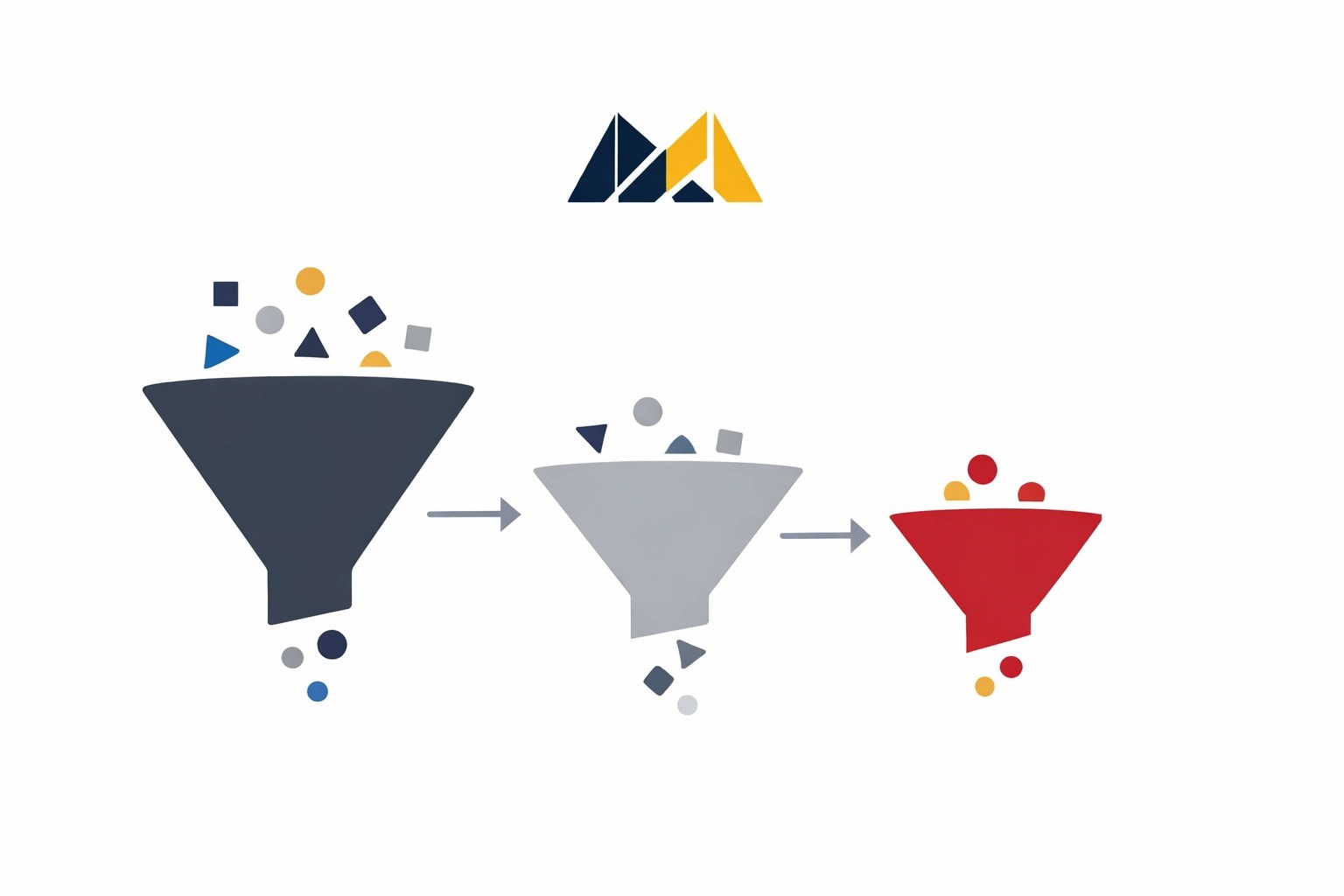
When I finally realized I was drowning my team in "stuff," I had to find a way to filter the noise. This is where the Reduce -> Route -> Resolve framework comes in. It’s a triage system for operations that I live by now.
1. Reduce
The first step isn't to work faster; it's to stop doing things that don't matter. We often inherit "legacy" tasks, reports no one reads, meetings that could be emails, or processes that worked three years ago but are useless now.
- My mistake: I used to add new tasks without ever removing old ones.
- The fix: If it doesn't move the needle, kill it. Reduce the workload before you try to optimize it.
2. Route
Once you’ve reduced the noise, you have to find the "natural owner." This isn't just dumping work on someone; it’s routing it to the person with the right skill set and giving them the full context.
- Pro tip: Use tools like DiSC assessments to understand who is naturally wired for specific types of work. Routing a high-detail task to a "High I" personality might cause them stress, while a "High C" would thrive on it.
3. Resolve
This is where the leader actually works. You should only be personally handling the work that requires your specific judgment, expertise, or authority. If you are "resolving" things that could have been "routed," you are stealing growth opportunities from your team and burning yourself out in the process.
Ignoring the "Wet Cement" of Culture
Processes are great, but if the culture is broken, the processes won't save you. One common mistake is ignoring the behavioral side of management.
Have you ever had a team member who was a rockstar, but suddenly started missing deadlines and snapping at colleagues? That’s not a performance issue; that’s a burnout signal.
I’ve learned that "nice" cultures often struggle the most with this. We don't want to hurt feelings, so we don't address the miscommunication or the friction, and it just simmers until it boils over. Using a "behavioral dashboard" or regular check-ins that aren't just about "to-do lists" is vital. You have to manage the humans, not just the spreadsheets.
The High Cost of Unclear Expectations
If I’m being vulnerable, there have been times I’ve given a task to my team and then gotten frustrated when it wasn’t what I wanted. But when I looked back... I hadn't actually told them what "done" looked like.
Unclear goals force people to work in multiple directions at once. It’s exhausting. It’s like running a race where the finish line keeps moving. Your team wants to succeed; they want to hear "well done." But if the target is fuzzy, they spend all their energy guessing instead of executing.
Setting unrealistic timelines is another killer. Pushing a team to hit a deadline that everyone knows is impossible doesn't make them work harder, it makes them give up. It creates that "cognitive dissonance" where they can't even enjoy their time off because they're constantly thinking about the unfinished, impossible pile of work waiting for them.

So, What Now?
If you’re reading this and thinking, "Brett, I’m doing at least three of these," don't panic. Leadership is a practice, not a destination. I’ve been doing this for over 30 years and I’m still learning how to be better at it.
Start small. This week, try to Reduce one thing. Look at your calendar and delete a meeting that doesn't need to happen. Then, look at your to-do list and see what you can Route to someone else: with the authority to actually finish it.
Burnout prevention isn't about giving everyone a Friday afternoon off (though that’s nice!). It’s about building a system where people can do meaningful work without feeling like they are drowning in chaos.
If you’re struggling to figure out where the "bottleneck" is in your own organization, or if you feel like your team is on the edge of a cliff, I’d love to help you sort through it. Whether it's through coaching or just a quick chat to look at your processes, you don't have to figure it out alone.
I’d love to hear from you: what’s the biggest "operations mistake" you’ve caught yourself making lately? We’ve all got 'em. Let's talk about it.

Ready to streamline your operations and give your team some breathing room? Check out our blog for more "in-the-trenches" advice or contact us to start a conversation.